
Why Car Insurance Is So High in Oregon

Table of Contents
- Oregon Car Insurance Costs More Than Most States
- Factors That Affect Car Insurance Premiums in Oregon
- Why Car Insurance Rates Increase Year Over Year
- Oregon's Required Coverage and What It Costs
- How to Lower Car Insurance in Oregon
- Compare Car Insurance Quotes in Oregon for Your Situation
- Frequently Asked Questions
Last Updated: October 10, 2026
Oregon Car Insurance Costs More Than Most States
Car insurance high in Oregon reflects a combination of state-specific factors that push premiums above the national average. Understanding why your rates are climbing helps you make smarter coverage decisions and find ways to lower costs without sacrificing protection.
Oregon's insurance market faces unique pressures from population growth in Portland, Eugene, and Springfield, which has increased traffic density and accident frequency. Rising vehicle repair costs and medical expenses following accidents have also climbed, making liability coverage more expensive for everyone.
According to the National Association of Insurance Commissioners, Oregon's average auto insurance rates rank among the higher tiers nationally. This isn't random. It's the direct result of claim patterns, repair costs, and state regulations that shape how insurers price policies.
Below, we'll walk you through the specific reasons your car insurance is high in Oregon, and what you can actually do about it.
Factors That Affect Car Insurance Premiums in Oregon
Your individual premium depends on several factors that insurers weigh heavily. Some you control. Others reflect broader market conditions.
Driving Record and Traffic Violations
A clean driving record is one of the most powerful discounts available. A single at-fault accident or traffic violation can increase your premium by 20-40% or more, depending on severity.
Speeding tickets, reckless driving citations, and DUI convictions carry the steepest penalties. Multiple claims within a few years signal higher risk to insurers, pushing rates significantly higher.
Vehicle Type and Repair Costs
The car you drive directly affects your premium. Newer vehicles with advanced safety features often qualify for discounts, but they cost more to repair.
Replacement components for modern vehicles, especially those with integrated electronics, have jumped in cost. Insurers factor these repair expenses into their pricing models.
Location and Population Density
Where you live in Oregon significantly impacts your rate. Urban areas like Portland and Eugene have higher accident frequencies due to traffic congestion, while suburban and rural locations typically carry lower premiums.
Why Car Insurance Rates Increase Year Over Year
Your premium climbing isn't always about your driving. Market-wide factors push rates up for everyone, but sometimes your increase is personal to your record, vehicle, or address.
Statewide and Market-Wide Rate Increases
Medical costs following accidents have risen sharply. Hospitals, specialists, and rehabilitation services charge more, and insurers spread these costs across their customer base through higher premiums.
Vehicle repair costs continue climbing due to advanced driver assistance systems, electric vehicle batteries, and integrated technology. These costs get passed to policyholders.
Increased traffic and accident frequency in growing communities directly drive up claim payouts, which translate to higher premiums for drivers.
Diagnosing Your Own Premium Increase
If your rate jumped unexpectedly, use this checklist to identify what changed:
1. Check your policy renewal date. If your premium jumped on renewal, it likely reflects a statewide or regional increase. Ask your agent for the "rate change percentage" your insurer filed to see whether your increase matches the market.
2. Review your driving record. Did you receive a ticket, have an accident, or file a claim in the past 12 months? Check your motor vehicle record online through your state's DMV to confirm what insurers see.
3. Verify your vehicle details. Did you add a second car, switch vehicles, or update your vehicle's use? Changes to what you drive or how you drive it directly affect your rate.
4. Confirm your address hasn't changed. Moving within the same city can affect your rate if you've moved to a higher-density area. Ask your agent how location affected your premium.
5. Check for policy changes. Did you lower your deductible, add coverage, or increase your liability limits? These changes increase your premium. Conversely, if you raised your deductible or removed optional coverage, your rate should have dropped.
6. Look for missing discounts. Life changes like completing a defensive driving course, installing safety features, or reducing annual mileage can unlock new discounts. If you haven't reviewed your discounts in 2+ years, you may be missing savings.
What to do next: If statewide increases are driving your premium up, shopping around is your best option. Different insurers raise rates at different times and by different amounts. Getting quotes from 3-5 carriers often reveals significant savings.
Oregon's Required Coverage and What It Costs
Oregon law mandates minimum liability coverage that protects others if you cause an accident. Understanding these requirements helps you evaluate whether minimum coverage is enough for your situation.
State Minimum Liability Requirements
Oregon requires drivers to carry at least 25/50/20 liability coverage (Oregon Department of Transportation ). This means:
- $25,000 bodily injury liability per person
- $50,000 bodily injury liability per accident
- $20,000 property damage liability per accident
These minimums cover injuries and damage you cause to others. They do NOT cover your own vehicle or medical bills. A single serious accident can easily exceed these limits, leaving you personally liable for the difference.
Most insurers and financial advisors recommend higher limits, typically 100/300/100 or more, especially if you have assets to protect.
Personal Injury Protection and Uninsured Motorist Coverage
Personal Injury Protection (PIP) covers your own medical expenses and lost wages after an accident, regardless of who's at fault. Oregon doesn't require PIP, but it's highly recommended.
Uninsured Motorist (UM) coverage protects you if an uninsured or hit-and-run driver causes the accident. Oregon requires this coverage unless you explicitly decline it in writing. UM coverage mirrors your liability limits and is relatively inexpensive.
Together, PIP and UM coverage create a safety net for your own injuries and losses, something minimum liability alone doesn't provide.
| Coverage Type | Oregon Requirement | Recommended Level | What It Covers |
|---|---|---|---|
| Bodily Injury Liability | 25/50 | 100/300 | Injuries you cause to others |
| Property Damage Liability | 20 | 100 | Damage you cause to others' property |
| Personal Injury Protection | Optional | Yes | Your own medical bills and lost wages |
| Uninsured Motorist | Required (unless declined) | Yes | Injuries from uninsured drivers |
How to Lower Car Insurance in Oregon
Reducing your premium requires a combination of smart choices and active management.
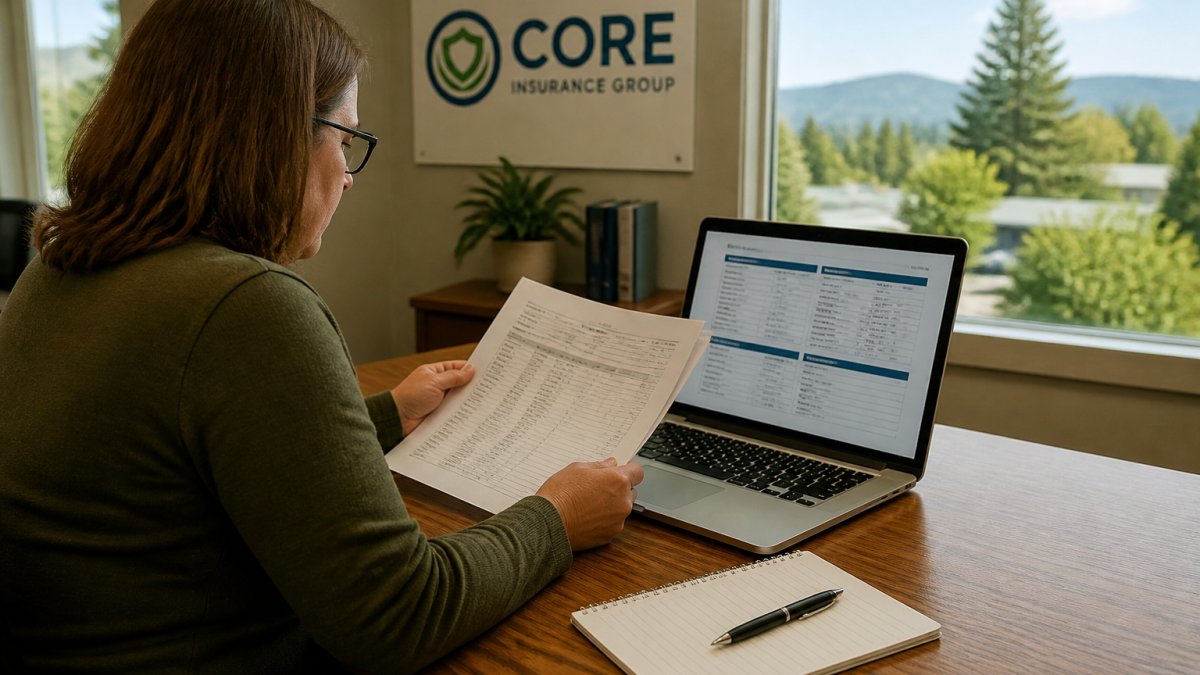
First, shop around every 1-2 years. Insurers compete for customers, and rates vary significantly between companies. Getting quotes from multiple carriers often reveals savings you didn't know existed.
Bundle your home and auto insurance. Most insurers offer discounts of 10-25% when you combine policies. If you own property in Oregon, bundling typically saves more than shopping around alone.
Raise your deductible if you have emergency savings. This works only if you can actually pay the deductible without financial strain.
Ask about discounts you might qualify for:
- Safe driving discounts for clean records
- Safety feature discounts for vehicles with advanced technology
- Low-mileage discounts if you drive less than average
- Paid-in-full discounts for annual payment instead of monthly installments
Improve your credit score. Many insurers use credit-based insurance scores to set rates. Paying bills on time and reducing debt can lower your premium over time.
Maintain continuous coverage. Lapses in insurance history signal risk to insurers and result in higher rates. Even a short gap can cost you hundreds in increased premiums.
Compare Car Insurance Quotes in Oregon for Your Situation
Getting accurate quotes requires providing consistent information across carriers and standardizing the coverage level to compare apples-to-apples.
Define Your Coverage Level Before Comparing
When comparing quotes, make sure you're looking at the same coverage levels across all carriers, or you won't be comparing the same protection.
Decide on a target coverage level first. For most drivers, the recommended baseline is:
- Bodily Injury Liability: 100/300 (instead of the 25/50 minimum)
- Property Damage Liability: 100 (instead of the 20 minimum)
- Uninsured Motorist: 100/300 (matching your liability limits)
- Collision Deductible: $500 or $1,000 (depending on your emergency savings)
- Comprehensive Deductible: $500 (standard for most drivers)
Once you've chosen your coverage, request quotes at that exact level from each carrier. This ensures you're comparing the same product.
Sample Quote Profiles for Reference
To help you interpret average premium figures you may see online or in articles, here are three common driver profiles and what affects their quotes:
Profile A: Urban commuter, age 35, clean record
- Vehicle: 2019 Honda Civic
- Location: Portland metro area
- Driving record: No accidents, no violations in past 5 years
- Coverage: 100/300/100 liability, $500 collision, $500 comprehensive
Profile B: Suburban driver, age 28, one recent violation
- Vehicle: 2021 Toyota Camry
- Location: Salem area
- Annual mileage: 10,000
- Driving record: One speeding ticket within past 3 years
- Coverage: 100/300/100 liability, $500 collision, $500 comprehensive
- Expected quote range: 15-30% higher than Profile A due to the violation; violation impact decreases over time
Profile C: Rural driver, age 55, clean record
- Vehicle: 2018 Ford F-150
- Location: Eastern Oregon (lower population density)
- Annual mileage: 8,000
- Driving record: No accidents, no violations in past 10 years
- Coverage: 100/300/100 liability, $500 collision, $500 comprehensive
- Expected quote range: Often lower than Profile A due to lower accident frequency in rural areas, despite truck repair costs
Your actual quote will differ based on your specific age, vehicle, record, and location, but these profiles show how different factors interact.
How to Get and Compare Quotes Effectively
1. Gather your information first. Have your driver's license, vehicle registration, current insurance policy (if you have one), and driving history ready. This speeds up the quote process and ensures accuracy.
2. Get quotes from at least 3-5 carriers. Major carriers often have different rating models, so one may offer you a significantly better rate than another.
3. Request the same coverage level from each carrier. Specify your liability limits, deductibles, and any optional coverage (uninsured motorist, etc.). Ask the agent to confirm the coverage matches before you compare prices.
4. Ask about all available discounts. Bundling, safe driver, safety features, low mileage, paid-in-full, and loyalty discounts vary by carrier. Some insurers are more aggressive with discounts than others.
5. Compare the final quote, not the base rate. After discounts are applied, compare the total annual premium. A carrier with a higher base rate but more discounts may be cheaper overall.
6. Review the policy details. Make sure the quote includes the coverage limits you requested, the deductibles you chose, and any discounts the agent promised.
7. Revisit quotes every 1-2 years. Rates change, new discounts emerge, and your profile evolves. A carrier that was cheapest two years ago may not be today. Regular shopping is one of the most effective ways to keep your premium competitive.
Frequently Asked Questions
What factors affect car insurance rates in Oregon?
Your driving record, vehicle type, location, and age all influence your rate. At-fault accidents and traffic violations increase premiums significantly. Where you live in Oregon matters too, urban areas with higher traffic congestion and accident rates typically cost more than rural regions. Vehicle repair costs and the make and model you drive also affect your policy price.
Why did my car insurance premium increase?
Rates increase due to claim severity in your area, vehicle repair cost inflation, and approved rate increases filed by insurers with state regulators. If you've had accidents or violations, your individual risk profile changes. Even without claims, statewide cost drivers like medical bill inflation and population growth push rates up annually for many drivers.
How can I lower my car insurance in Oregon?
Shop and compare quotes regularly, rates vary significantly between insurers. Ask about available discounts for bundling home and auto policies, maintaining a clean driving record, completing a defensive driving course, and paying in full annually. Increasing your deductible lowers your premium, but ensure you can cover that amount out of pocket. Review your coverage limits annually to avoid overpaying for protection you don't need.
What coverage is required for drivers in Oregon?
Oregon requires minimum liability coverage of 25/50/20, meaning $25,000 per person and $50,000 per accident for bodily injury liability, and $20,000 for property damage liability. Uninsured and underinsured motorist coverage is available and recommended to protect yourself against drivers without adequate insurance.
Want this checked against your own policy?
We compare 100+ carriers and tell you what actually changes.