
How Do You File a Car Insurance Claim After an Accident?
Quick Summary
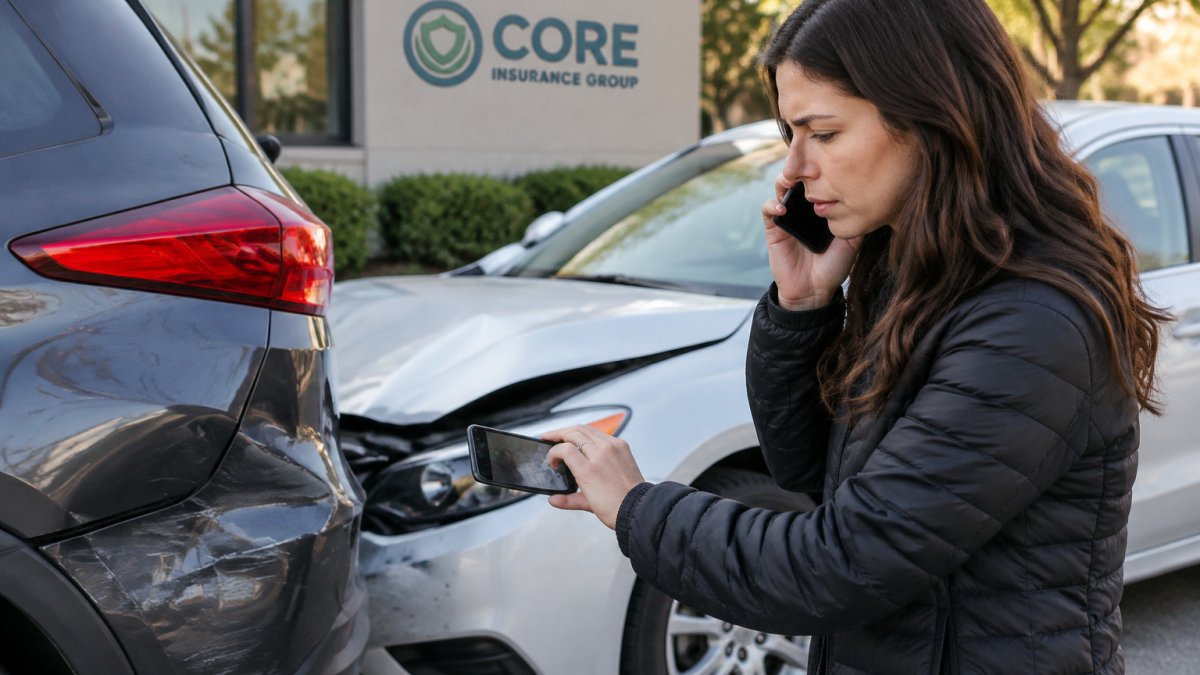
To file car insurance claim after an accident, first check for injuries and call the police, then exchange driver and insurance details with the other driver. Next, contact your insurer the same day, submit photos and documents, and get a damage assessment before authorizing repairs.
- Check yourself and your passengers for injuries before anything else, and call 911 if anyone is hurt.
- Collect the other driver's name, license number, plate, and insurance policy number at the scene.
- Contact your insurer ideally the same day and write down the claim number they give you.
- Do not authorize major repairs before your insurer approves the repair estimate.
- Keep receipts for towing, storage, and rental costs while the claim remains open.
Table of Contents
- What to Do Right After a Minor Car Accident
- Documenting the Scene: Photos, Witnesses, and the Police Report
- Step-by-Step: How to File a Car Insurance Claim
- Documentation Checklist for Your Claim
- What to Avoid Saying When Filing a Car Insurance Claim
- How Long a Car Insurance Claim Takes and What Can Delay It
- Your Next Step: Get Your Claim Started With Core Insurance Group
- Frequently Asked Questions
How Do You File a Car Insurance Claim After an Accident?
Last Updated: November 13, 2026
Filing a car insurance claim after an accident can feel stressful, especially when you are shaken up and trying to remember what to do next. This guide walks you through the process step by step, so you know what to gather, who to call, and what to expect.
What to Do Right After a Minor Car Accident
The first priority after any accident is safety. Stop your vehicle, turn on your hazard lights, and move to a safe spot if you can do so without causing more harm.
Checking for injuries and calling the police
Check yourself and your passengers for injuries before anything else. If anyone is hurt, call 911 right away. Even minor accidents can cause injuries that do not show up until hours later, so do not assume you are fine.
Call the police to the scene, or file a report if officers do not respond. A police report gives you an official record, which can be very useful when you file your claim.
Exchanging driver, vehicle, and insurance information
Collect the following details from the other driver:
- Full name and phone number
- Driver's license number
- Vehicle make, model, color, and license plate
Share your own information the same way. Keep your conversation brief and polite. Avoid admitting fault, even if you think you caused the accident. Let the insurance companies and the police determine what happened.
Documenting the Scene: Photos, Witnesses, and the Police Report
Good documentation helps support your claim. Take photos of both vehicles from several angles, including close-ups of the damage.
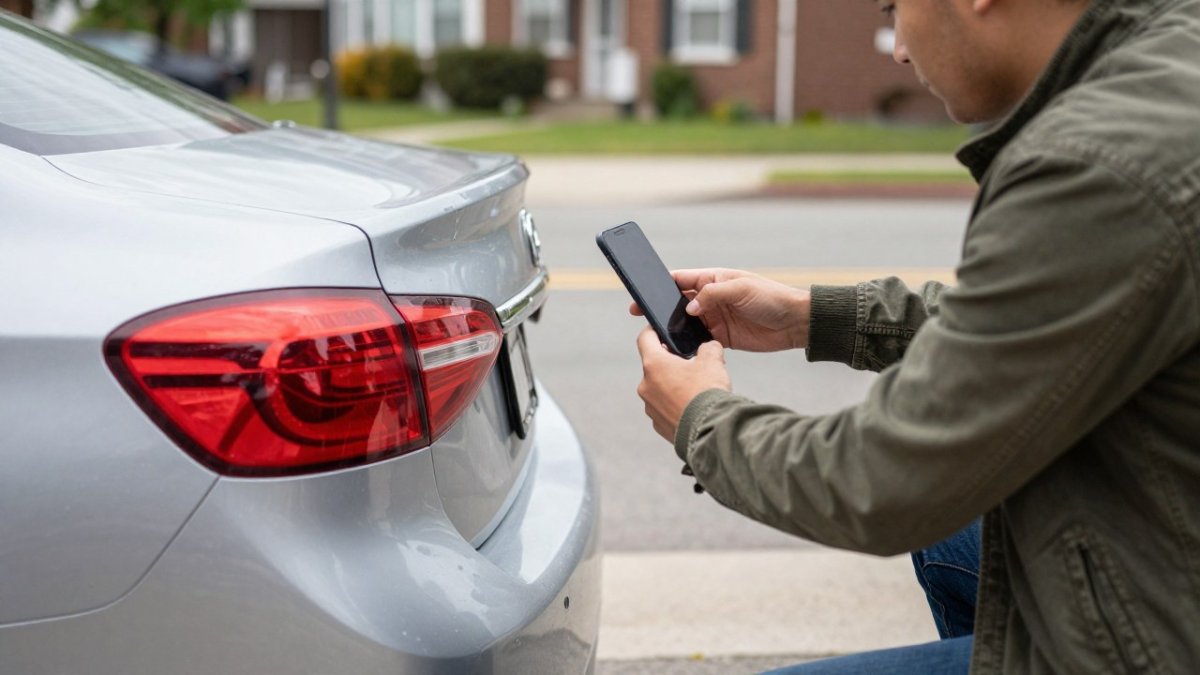
Ask anyone who saw the accident for their name and phone number. Witness statements can settle disputes about who was at fault.
Request a copy of the police report once it is available. It usually takes a few days, and your insurer will likely ask for it.
Step-by-Step: How to File a Car Insurance Claim
Once you are safe and have your information, you can start the claim. The steps below cover the typical process, starting with the choice of which insurer to file with.
Decide which insurer to file with
You generally have two routes: file with your own insurer, or file with the other driver's insurer. Many people assume they must use the other driver's company, but that is not always true, and the right choice depends on your coverage and on how the other driver behaves.
File with your own insurer when:
- You carry collision coverage and want your vehicle repaired without waiting on the other insurer's investigation.
- The other driver is uncooperative, uninsured, or cannot be located.
- Fault is disputed and you want your own company advocating for you.
File with the other driver's insurer when:
- The other driver clearly caused the accident and accepts responsibility.
- You do not carry collision coverage and need the other insurer to pay for your damage.
- You want to avoid your own deductible being applied up front.
A common pattern is to open a claim with your own insurer for your vehicle damage while the other insurer handles liability. To see whether your policy covers collision or comprehensive damage, read Comprehensive vs Collision Insurance for Oregon Drivers.
Watch out: Filing with your own insurer under collision coverage usually means paying your deductible first, even if the other driver was at fault.
Step 1: Contact your insurer
Call your insurance company as soon as you can, ideally the same day. Many policies require prompt reporting, and waiting too long can cause problems.
Have these details ready when you call:
- Your policy number
- The date, time, and location of the accident
- The other driver's insurance information
Your insurer will open a claim and give you a claim number. Write that number down and keep it handy.
Step 2: Submit the claim and supporting documents
Your insurer will ask you to submit documents to support the claim. Gather these items:
- Photos of the damage and the accident scene
- The police report, if one was filed
- Witness contact information
Send everything through the method your insurer recommends, such as their app, website, or email. Keep copies of everything you send.
Step 3: Get a damage assessment and repair estimate
An insurance adjuster will usually inspect your vehicle or review your photos. Many insurers also send you to an approved repair shop for a written estimate.
Review the estimate carefully. If you disagree with the amount, ask the adjuster to explain the numbers.
Watch out: Do not authorize major repairs before your insurer approves the estimate. Work done too early may not be covered.
Step 4: Track your out-of-pocket costs
While the claim is open, keep receipts for costs the accident forces on you, towing, storage, a rental car, or rideshare while your vehicle is in the shop. Whether these are reimbursed depends on your policy. Ask your adjuster which of these your policy covers and what documentation they need.
The claim process comes down to a few core steps, with the timing and cost considerations to keep in mind at each one.
| Step | What to do | Time or frequency |
|---|---|---|
| Step 1: Contact your insurer | Call your insurer and open a claim | Ideally the same day |
| Step 2: Submit claim documents | Send photos, police report, witness details, and estimates | As your insurer requests |
| Step 3: Damage assessment | Have the vehicle inspected and review the repair estimate | Before authorizing major repairs |
| Step 4: Track out-of-pocket costs | Keep receipts for towing, storage, and rental costs | Throughout the open claim |
Documentation Checklist for Your Claim
Use this checklist to keep your records organized:
- Claim number and adjuster's name and phone number
- Police report or report number
- Photos of both vehicles and the scene
- Other driver's contact and insurance details
What to Avoid Saying When Filing a Car Insurance Claim
What you say during a claim can affect the outcome. Stick to facts. Describe what you saw and what happened, without guessing.
Avoid these statements:
- "I'm sorry" or "It was my fault," even as a polite gesture
- Guesses about speed, distance, or time
- Comments about your injuries before you know the full extent
- Promises about repairs or payments you have not confirmed
Keep your statements short and accurate. If you are unsure of something, say so. It is better to correct a detail later than to state something you cannot support.
If you want help understanding your coverage before you speak with an adjuster, you can explore insurance guides and answers from Core Insurance Group for auto, home, and business coverage.
How Long a Car Insurance Claim Takes and What Can Delay It
Simple claims with clear fault can close relatively quickly. Claims with disputed fault, injuries, or hard-to-find parts often take longer.
Common causes of delay include:
- Missing police reports or witness information
- Disagreement over the repair estimate
- Waiting on medical records
- Unclear fault between the drivers
If your car is off the road while the claim is processed, ask your agent about temporary transportation options. Temporary car insurance options in Oregon may help you understand what coverage is available while you wait.
Also, if you are worried about coverage gaps, review your policy now so you know what applies to your situation. Understanding the consequences of driving without insurance in Oregon can help you stay protected during the claims process.
When fault is disputed
If the two insurers disagree about who caused the accident, the claim can stall. Each company investigates separately, and they may reach different conclusions. Steps that help:
- Send your insurer the police report and any witness statements as soon as you have them.
- Stick to the facts in your recorded statements and avoid guessing about speed or distance.
- Ask your adjuster how fault was determined and what evidence would change the decision.
- Keep a written log of every call, with the date, time, and the name of the person you spoke with.
Watch out: Do not give a recorded statement to the other driver's insurer without understanding how it will be used. You are generally not required to give one, and you can ask to provide information in writing instead.
When a claim is denied or the offer is low
A denial is not always final. If your claim is denied or the repair estimate comes in lower than you expected:
- Ask for the denial or valuation in writing, including the specific policy language or reason relied on.
- Compare the estimate to independent repair quotes from shops of your choice.
- Send supporting documents, photos, receipts, and a written explanation, and ask for a re-review.
- Ask your agent to walk through the policy language with you and confirm whether a different coverage applies.
- If you still disagree, ask about the company's formal complaint or appeal process, and consider contacting your state insurance regulator for guidance.
Keeping your claim on track
A claim log is the simplest tool for protecting yourself. Record each call's date, time, the name of the person you spoke with, and what was agreed. Keep copies of everything you send. If multiple insurers are involved, note which company said what so nothing gets lost between them. Share only the information a claim actually requires, and be cautious about sending full personal records when a summary would do.
Your Next Step: Get Your Claim Started With Core Insurance Group
Filing a claim is easier when you have a clear plan and a trusted agent to guide you.
To learn more about how your coverage applies, explore insurance guides from Core Insurance Group, or read how to evaluate insurance agency responsiveness before you make a decision about who handles your claim.
BUTTON: Start Your Claim CARD_TITLE: Need help with your claim? CARD_TEXT: Core Insurance Group helps Eugene and Springfield drivers understand their auto coverage.
Frequently Asked Questions
What should I do first when filing a car insurance claim after an accident?
First, check everyone for injuries and call 911 if anyone is hurt. Move vehicles out of traffic if it is safe to do so, then exchange driver, vehicle, and insurance details with the other driver. Photograph the damage, the scene, and any visible injuries. Once you are safe, contact your insurer as soon as possible to report the accident and open a claim. Prompt reporting helps your insurer start the process and keeps your options clear.
Can I file a car insurance claim online after an accident?
In many cases, yes. Most insurers let you start a claim through their website or mobile app, where you can upload photos and the other driver's information. You can also report the accident by phone. Whichever method you use, keep a copy or screenshot of your confirmation and the claim number so you can follow up later. If you are unsure whether online filing is available with your policy, call your agent to confirm.
What information do I need to file a car insurance claim?
Have your policy number, the date, time, and location of the accident, and a description of what happened. Gather the other driver's name, contact details, license number, insurance company, and policy number, along with the license plate and vehicle description. Photos of the damage and scene, the police report number if one was filed, and names and contact details for any witnesses are also useful. Organized details help your claim move faster.
How long does it take to resolve a car insurance claim?
Timelines vary widely. A simple claim with clear fault and a straightforward repair may close in a few weeks. Claims involving disputed fault, injuries, or a totaled vehicle usually take longer. Delays often come from waiting on a police report, repair estimates, or documentation from the other party. Ask your claims representative for a realistic timeline based on your specific claim.

Coverage this touches on
Want this checked against your own policy?
We compare 100+ carriers and tell you what actually changes.