How to Choose Liquor Liability Insurance for Oregon Restaurants
Last Updated: November 16, 2026
Quick Summary
Liquor liability insurance is a specialized commercial policy that responds when a customer claims your Oregon restaurant caused injury or damage after serving or selling them alcohol. It sits separately from general liability, which usually does not handle alcohol-related claims, so any restaurant holding a liquor license and pouring drinks should carry it.
- Oregon regulates alcohol service through the OLCC, which issues the licenses letting a restaurant sell or serve alcohol.
- Common exclusions include intentional or criminal acts, serving someone visibly intoxicated, and injuries to your own employees.
- One-time event policies cover a defined date and location, while annual policies cover regular operations.
- Compare quotes on per-occurrence limit, aggregate limit, defense coverage, exclusions, and additional insured status.
- Request certificates of insurance and confirm additional insured status days before an event, not hours.
Table of Contents
- What Liquor Liability Insurance Covers for Oregon Restaurants
- Who Needs Liquor Liability Coverage in Oregon
- Oregon Liquor Liability Requirements and OLCC Licensing
- Liquor Liability Insurance for Events: Private Parties, Festivals, and Catering
- Policy Limits, Contract Requirements, and What to Compare
- How to Request a Liquor Liability Quote for Your Restaurant
- Get a Liquor Liability Quote from Core Insurance Group
- Frequently Asked Questions
What Liquor Liability Insurance Covers for Oregon Restaurants
Liquor liability insurance is a specialized commercial policy that responds when a customer claims your restaurant caused injury or damage after serving or selling them alcohol. This coverage matters most for restaurants where alcohol service is a core part of the business, not an afterthought. The coverage sits separately from general liability, and that distinction trips up a lot of owners.
Most restaurant owners assume their general liability policy handles everything that happens in the dining room. It usually does not handle alcohol-related claims.
Bodily Injury and Property Damage Claims
A liquor liability policy typically responds to third-party claims for bodily injury and property damage that arise from alcohol service. That includes a guest injured in a fight, a customer who leaves intoxicated and causes a car accident, or damage to another person's property after an overservice incident.
Some policies cover defense costs alongside settlement amounts, up to the limits you buy, so it is worth confirming how defense is handled in the policy you are considering.
What a Standard Policy Excludes
A standard liquor liability policy does not cover everything. Common exclusions include intentional or criminal acts by the insured, serving alcohol to someone you knew was already visibly intoxicated in violation of the law, and injuries to your own employees.
For a deeper walkthrough of how exclusions are written and how endorsements can close gaps, see our guide to understanding commercial liability policy exclusions.
Who Needs Liquor Liability Coverage in Oregon
Any Oregon business that sells or serves alcohol for on-premises consumption should carry liquor liability coverage. That covers restaurants, bars, taverns, pubs, breweries, wineries, and venues that host private events.
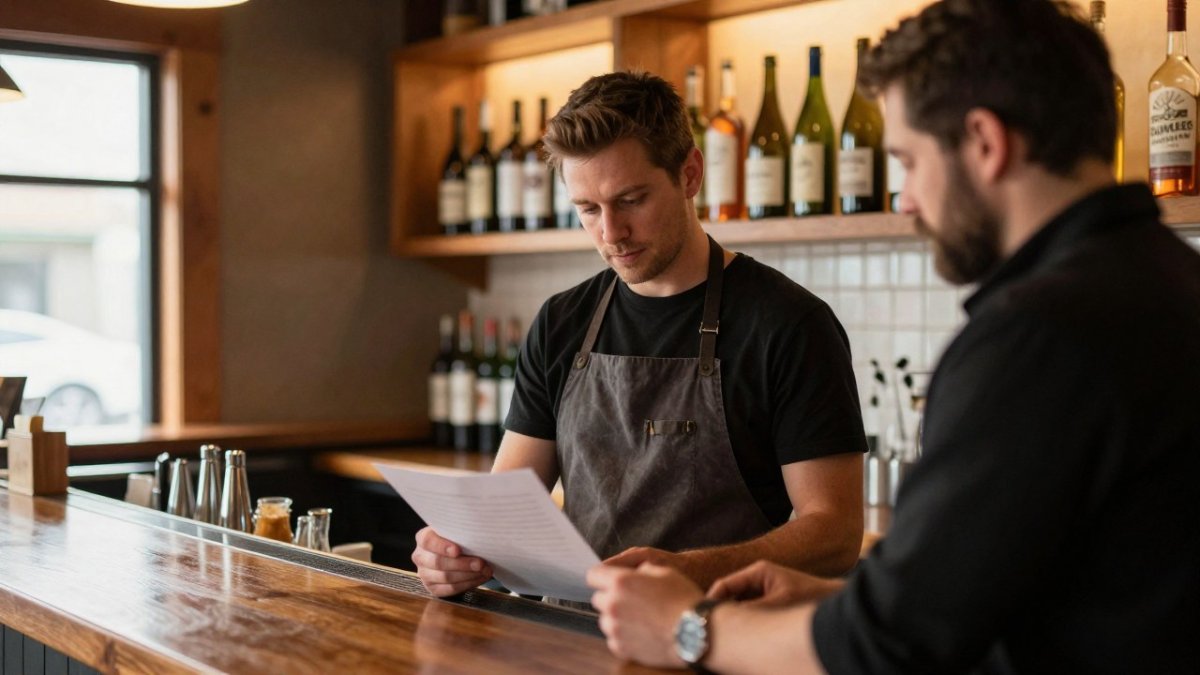
If your restaurant holds a liquor license and pours drinks, the exposure exists whether you serve a full bar menu or just beer and wine. A single overservice claim can exceed what a small operator can absorb.
Oregon Liquor Liability Requirements and OLCC Licensing
Oregon regulates alcohol service through the Oregon Liquor and Cannabis Commission, known as the OLCC, which issues the licenses that let a restaurant sell or serve alcohol (Oregon Liquor and Cannabis Commission ). The Oregon Liquor and Cannabis Commission publishes current licensing requirements, and rules change, so confirm the details for your specific license type before you rely on them.
It helps to separate three different kinds of requirements that get lumped together as "liquor liability requirements":
- Legal requirements. These come from Oregon statute and OLCC rules. They apply to you because you hold a license, whether or not you carry insurance. Failing them can cost you your license and expose you to civil claims.
- Insurer requirements. These come from the policy you buy. An underwriter may require written overservice procedures, documented server training, or a security plan before it will offer coverage on the terms you want.
- Contract requirements. These come from landlords, venues, and event organizers. They typically show up as a certificate of insurance naming them as additional insured, sometimes with a specific limit.
Keeping these three separate matters because a gap in one does not show up in the others. A restaurant can hold a valid license, carry a policy, and still fail a venue's contract requirement at the last minute.
Dram Shop Exposure Under Oregon Law
Businesses that serve alcohol can face civil claims when an intoxicated customer harms someone else, and defense costs in these claims can add up quickly, which is why the defense portion of your policy deserves attention.
Server Training and Service Rules
Alcohol servers are expected to follow the OLCC's rules on service, and rules about visible intoxication, service to minors, and hours of service matter in a claim. A written house policy that mirrors those rules, plus a log showing staff completed training, gives an underwriter and a defense attorney something concrete to work with.
Watch out: treating your license conditions and your insurance policy as unrelated documents. If your license allows something your policy excludes, or your venue contract demands a limit your policy does not carry, you have a gap that only surfaces when a claim or a booking is on the line.
Liquor Liability Insurance for Events: Private Parties, Festivals, and Catering
Liquor liability insurance for events works differently from a standard annual restaurant policy. A one-time event policy covers a defined date and location, while an annual policy covers your regular operations. If you cater a wedding, host a festival booth, or rent your space for a private party with a cash bar, you need coverage that names that event.
Watch out: many venues and event organizers require a certificate of insurance naming them as additional insured before they will let you pour. Confirm that requirement early, because securing it at the last minute is where bookings fall apart.
Policy Limits, Contract Requirements, and What to Compare
Policy limits set the most the insurer will pay for a covered claim. Liquor liability limits are often sold as a per-occurrence amount, and some policies add a separate aggregate limit for the policy period. Higher limits cost more, so the right number depends on your sales volume, your service style, and what your contracts demand.
When you compare quotes, put them side by side on the same criteria:
| What to Compare | Why It Matters | What to Ask |
|---|---|---|
| Per-occurrence limit | Caps payout for one claim | Is defense inside or outside the limit? |
| Aggregate limit | Caps total payouts per term | Does the aggregate apply to liquor claims? |
| Defense coverage | Legal costs add up fast | Are defense costs included? |
| Exclusions | Defines what is not covered | Which endorsements close the gaps? |
| Additional insured | Required by landlords and venues | Can you add parties at no extra step? |
For a broader checklist of coverage types and exclusions to review before you sign, read what to look for in business insurance policies. If premium is a concern, our article on ways to reduce business insurance premiums covers deductible and bundling strategies that do not strip out essential protection.
How to Request a Liquor Liability Quote for Your Restaurant
Most guides stop at "call for a quote." The stronger approach is a short sequence that moves from assessing your exposure to binding coverage, so the policy you end up with matches how your restaurant actually operates.
Step 1: Assess Your Alcohol Exposure
Start with the numbers an underwriter will ask for anyway. Pull alcohol sales as a share of total revenue, your busiest service hours, whether you pour spirits or beer and wine only, and whether you run private events, catering, or delivery. A restaurant where alcohol is a small share of sales carries a different exposure than a cocktail-focused concept with late hours. Write this down before you talk to anyone, because it keeps the conversation focused on your operation rather than a generic restaurant profile.
Step 2: Review Your Contracts and License Conditions
Collect the requirements you already have to meet. That means your OLCC license conditions, your lease if the landlord requires coverage, and any venue or event contracts that demand a certificate of insurance or additional insured status. Note the limits those documents specify. This step tells you the floor your policy has to clear before you compare anything.
Step 3: Gather Your Documents
Have these ready and the quote process moves quickly:
- Your OLCC license number and license type
- Alcohol sales as a share of total revenue
- Number of servers and whether they hold current server permits
- Your service hours and whether you use security staff
- Any events, catering, or private party rentals you run
- Current policy declarations, if you have coverage now
We ask about service practices because underwriting looks at how you manage risk, not just what you sell. Written overservice procedures, documented server training, and a clear cutoff policy all help an underwriter see a well-run operation.
Step 4: Compare Quotes on the Same Criteria
Put quotes side by side on identical criteria so you are comparing coverage, not just a number:
| What to Compare | Why It Matters | What to Ask |
|---|---|---|
| Per-occurrence limit | Caps payout for one claim | Is defense inside or outside the limit? |
| Aggregate limit | Caps total payouts per term | Does the aggregate apply to liquor claims? |
| Defense coverage | Legal costs add up fast | Are defense costs included? |
| Exclusions | Defines what is not covered | Which endorsements close the gaps? |
| Additional insured | Required by landlords and venues | Can you add parties at no extra step? |
| Deductible | Your share of each claim | Does it apply per claim or per occurrence? |
A lower premium with a narrow definition of covered claims is not the same product as a broader policy. Compare the exclusions line by line before you compare the bottom line.
Step 5: Confirm Certificates and Additional Insured Requests
Once you pick a policy, request certificates of insurance for any landlord or venue that requires them, and confirm additional insured status is in place before the event date. Build in lead time, because these requests move through the insurer and can take days, not hours.
Step 6: Bind Coverage and Set a Review Date
Binding is the final step that puts coverage in force. After that, put a review date on the calendar, ideally before your busy season and before any major event. Alcohol sales mix, staffing, and event schedules change, and a policy that fit last year may not fit this year.
If you want to see how the full quote process works, our guide on getting commercial insurance quotes walks through what agencies need and what to expect.
Get a Liquor Liability Quote from Core Insurance Group
The real risk in alcohol service is not the premium.
Core Insurance Group has 30+ years of industry experience and has served 100+ clients. We aim to explain what is covered and what is not, in plain terms, before you sign.
Get a quote from Core Insurance Group to build liquor liability coverage that matches how your restaurant actually operates.
Running a restaurant means carrying risk you cannot always see. Let us review your current policy and show you where the gaps sit before a claim finds them.
Frequently Asked Questions
Do Oregon restaurants need liquor liability insurance?
Yes. Any Oregon restaurant that sells or serves alcohol for on-premises consumption needs liquor liability coverage. a general liability policy typically excludes alcohol-related claims. Without a dedicated liquor liability policy, your restaurant could face out-of-pocket costs for third-party bodily injury or property damage claims tied to alcohol service.
What information should a restaurant provide when requesting a liquor liability quote?
Have your OLCC license details, number of years in operation, annual alcohol sales, hours of service, last-call practices, security staffing, and any prior alcohol-related incidents ready. Insurers also ask about food sales as a percentage of revenue, whether you host private events, and whether staff complete responsible beverage service training. Complete information speeds up the quote and helps avoid coverage gaps.
Can liquor liability insurance for events cover a private party at my restaurant?
It depends on the policy. Many liquor liability policies cover alcohol service at private events held on your licensed premises, but off-site catering, festivals, or events at a separate venue may need an endorsement or a separate event policy. Tell your insurance broker about any planned private events, pop-ups, or off-site catering before they happen so coverage can be confirmed in writing.
Does general liability insurance cover alcohol-related claims?
Usually not. Standard general liability policies include a liquor liability exclusion that removes coverage for claims arising from serving or selling alcohol. Restaurants that serve alcohol need a separate liquor liability policy or an endorsement that adds the coverage back. Reviewing your general liability policy language with your insurance broker is the fastest way to confirm whether a gap exists.

Want this checked against your own policy?
We compare 100+ carriers and tell you what actually changes.